Anaemia is one of the most common health problems among Indian women, yet it is still widely ignored or normalised as “bas weak lagta hai”. Understanding why it is so widespread and how to prevent it can protect energy, productivity, and future pregnancies for millions of women.
How common is anaemia in Indian women?
Anaemia means the blood has fewer healthy red blood cells or less haemoglobin than normal, reducing the oxygen supply to the body. Recent national surveys show that over half of Indian women of reproductive age are anaemic, making it a major public health concern rather than a rare disease.
Adolescent girls and young women are particularly affected, with prevalence in many states crossing 55–60%, especially in economically and socially disadvantaged groups. The burden is higher in rural areas, poorer households and among women with lower education levels, reflecting deeper nutritional and social inequalities.
Why is anaemia so common in Indian women?
Several factors combine to make anaemia widespread among Indian women, rather than a single simple cause. The most important is iron deficiency, driven by diets low in iron-rich foods, poor absorption, and regular iron loss through menstruation and pregnancies. Many women consume calorie-dense but nutrient-poor meals, with limited intake of pulses, green leafy vegetables, fruits and animal-source foods.
Frequent pregnancies, short birth spacing and heavy menstrual bleeding further deplete iron stores. Intestinal worm infections, chronic illnesses and deficiencies of other nutrients like vitamin B12, folate and vitamin C also contribute to anaemia in many women. Social factors play a big role too: women often eat last and least in the family, have less decision‑making power over their own diet and healthcare, and may ignore symptoms until they are severe.
What does anaemia feel like?
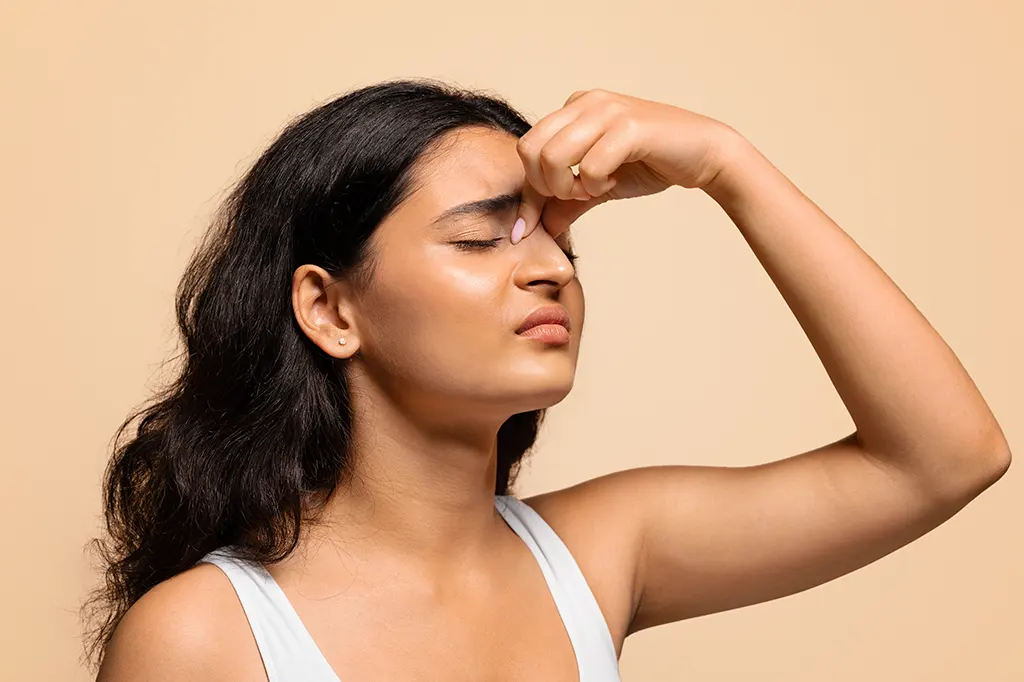
Anaemia can develop slowly, so many women get used to feeling tired and assume it is just part of a busy life. Common symptoms include constant fatigue, weakness, breathlessness on exertion, dizziness, paleness of skin or inner eyelids, rapid heartbeat and headaches. Hair fall, brittle nails, poor concentration and low work capacity are also frequent but often not linked to anaemia by patients or families.
In pregnant women, anaemia increases the risk of complications such as preterm birth, low birth weight, infections, and in severe cases, maternal and newborn death. Even in non‑pregnant women, chronic anaemia impacts productivity, academic performance, quality of life and mental wellbeing.
How is anaemia diagnosed?
The good news is that anaemia is easy to detect with a simple blood test for haemoglobin, often part of a complete blood count. Additional tests like serum ferritin (iron stores) and levels of vitamin B12 or folate may be done if the doctor suspects specific deficiencies or other underlying causes.
Screening women of reproductive age—especially adolescents, pregnant women and those with heavy periods—helps catch anaemia early, before serious complications occur. National programmes in India, such as Anaemia Mukt Bharat, aim to increase screening and treatment through schools, anganwadis and health facilities.
Everyday steps to prevent anaemia
Preventing anaemia starts with small, consistent changes in daily food choices. Including iron‑rich foods like green leafy vegetables (palak, methi, bathua), whole pulses, rajma, chana, soy, nuts, seeds, jaggery, and where acceptable, eggs, meat and fish, helps build iron stores. Combining these with vitamin C sources such as lemon, amla, oranges, tomatoes or guava improves iron absorption.
It is equally important to avoid tea and coffee with or immediately after meals, as they reduce iron absorption. Regular deworming as advised locally, maintaining good hygiene, and spacing pregnancies also support prevention. For many women—especially adolescents and pregnant women—diet alone is not enough, so iron‑folic acid tablets or other supplements prescribed by health workers or doctors are crucial and should be taken for the full recommended course.
When should a woman see a doctor?
Any woman who feels unusually tired, breathless on mild exertion, notices paleness, heavy periods or repeated infections should consider getting her haemoglobin checked. Pregnant women, those planning pregnancy, adolescents with very heavy or prolonged periods, and women with chronic illnesses should not delay evaluation.
Medical advice is essential before starting or stopping supplements, particularly if there is a history of other health problems. With timely testing, appropriate treatment and simple, sustainable changes in diet and self‑care, anaemia in Indian women is both preventable and treatable, helping them live healthier, more energetic lives.